
 Specialty Skills
Marine Debris Survey Diver
Learn safe survey, removal and reporting techniques for marine debris.
Choose your path
Go deeper into the kind of diving that excites you most.
A clearer way to choose
Specialty training is useful when it solves a real goal better buoyancy, better planning, better observation or a new kind of dive.
Final availability, site selection, prerequisites and training-agency details are confirmed directly before booking.
24 ways to get in the water
Every listing is a starting point. Your enquiry lets the team shape the right version for your dates, experience and comfort.
Specialty Skills
Learn safe survey, removal and reporting techniques for marine debris.
 Specialty Skills
Understand oxygen exposure, cylinder analysis and dive planning with enriched air.
 Specialty Skills
Develop responsible wreck-observation, line-handling and hazard-awareness skills.
 Specialty Skills
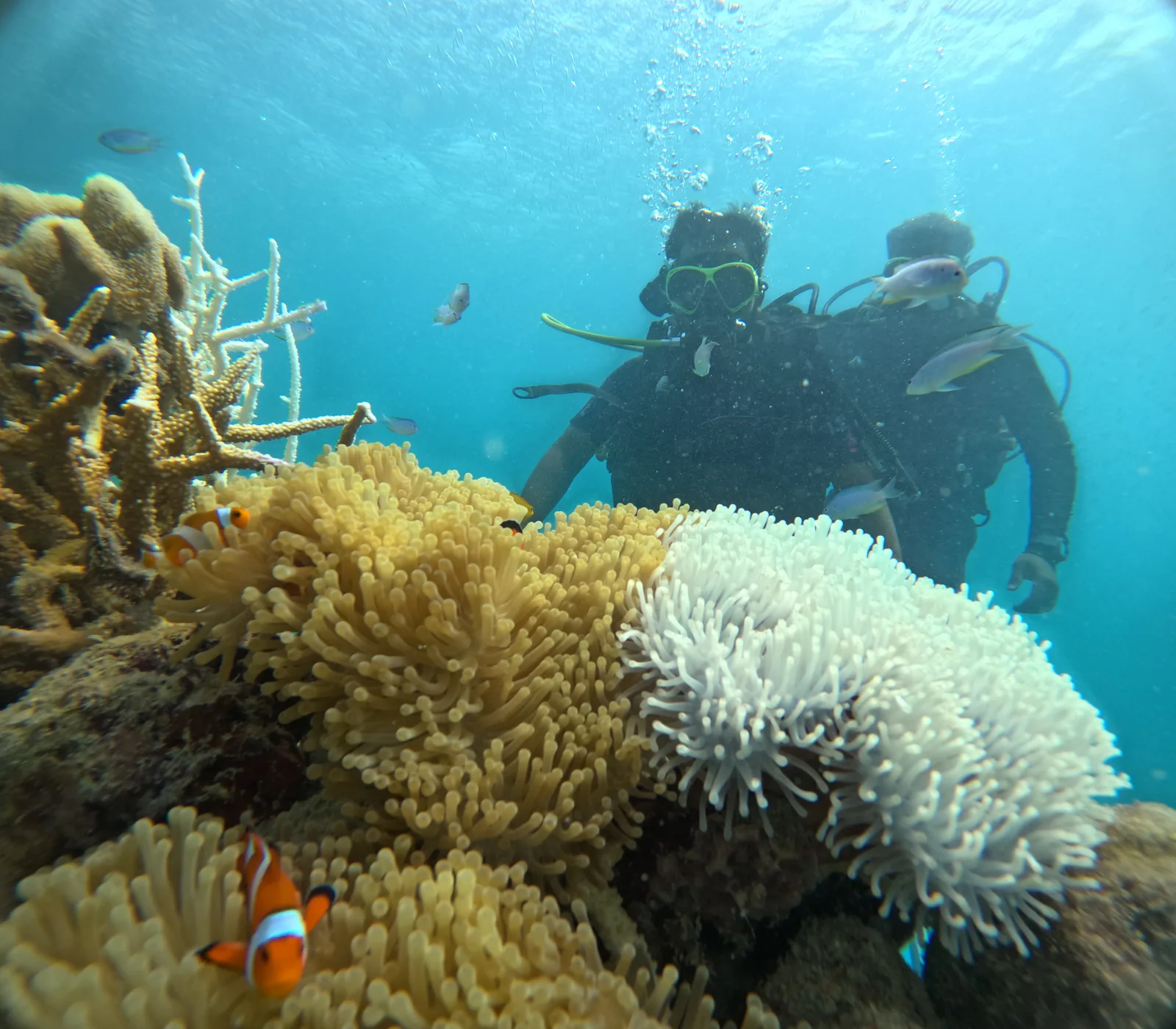
Prepare, navigate and communicate confidently during low-light dives.
Specialty Skills
Plan deeper recreational dives with stronger gas, depth and situational awareness.
 Specialty Skills
Explore practical ways to support divers with differing physical or cognitive needs.
 Specialty Skills
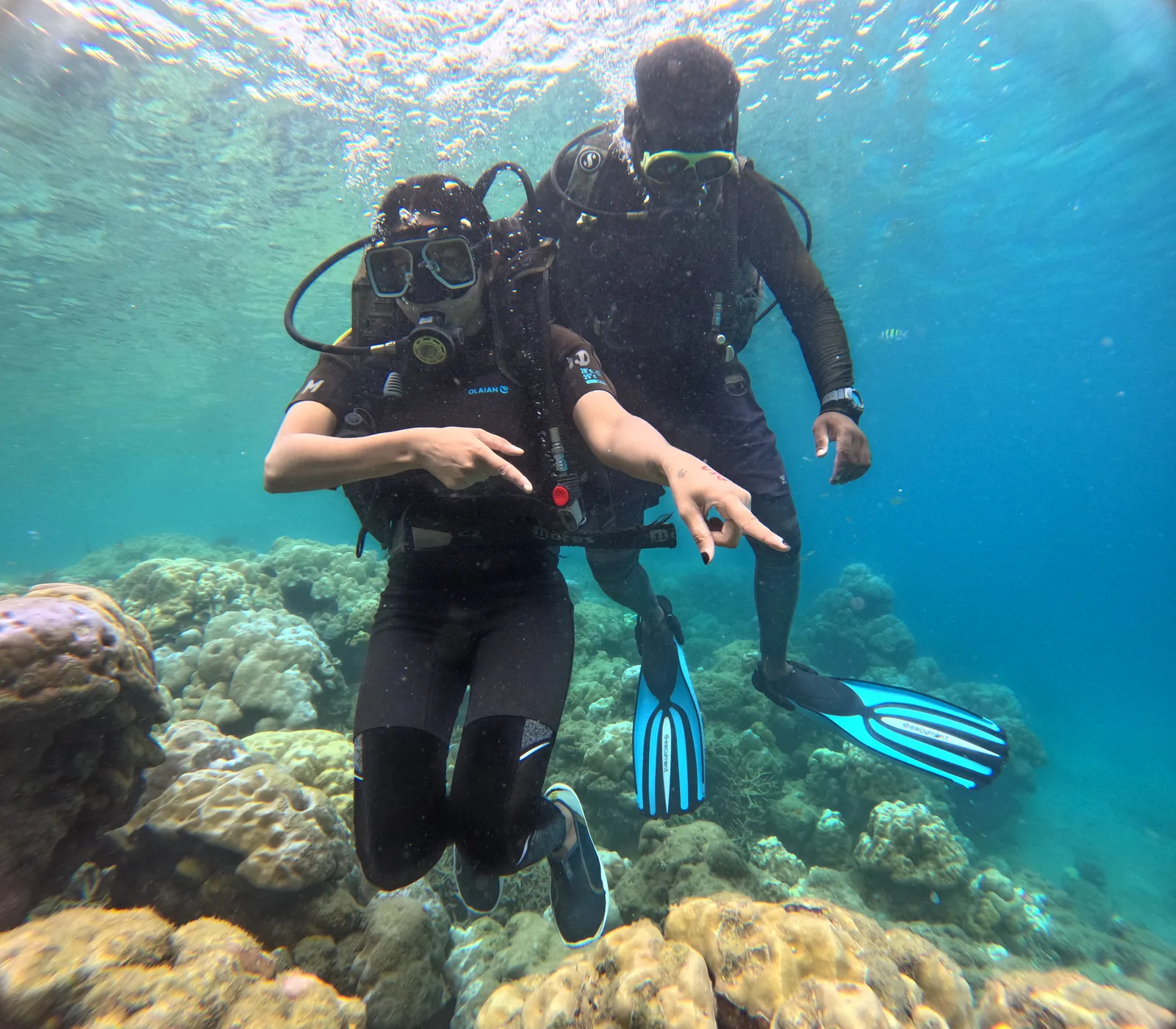
Study shark ecology, identification and responsible observation practices.
Specialty Skills
Understand reef ecology, common pressures and low-impact diver behaviour.
 Specialty Skills
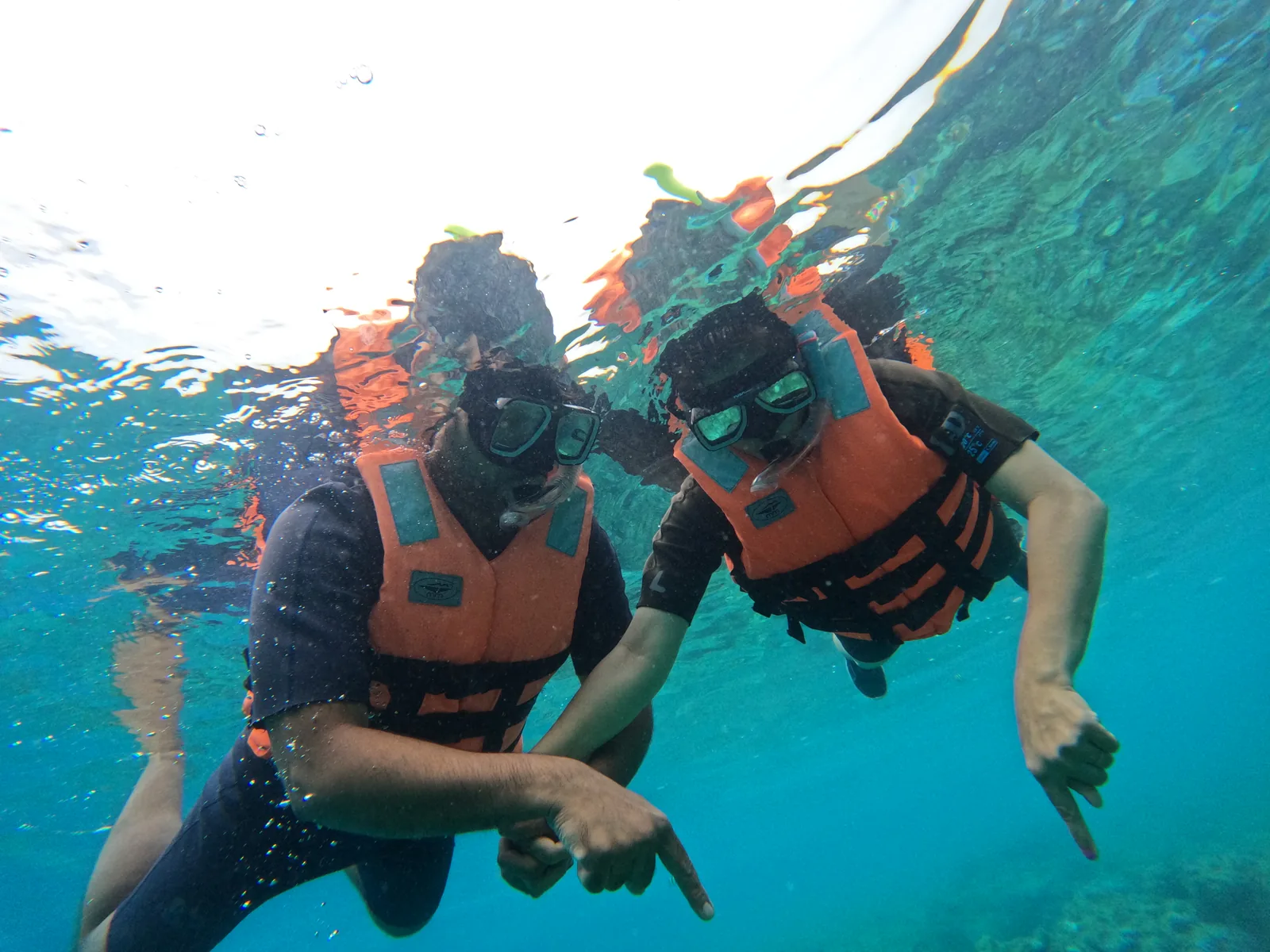
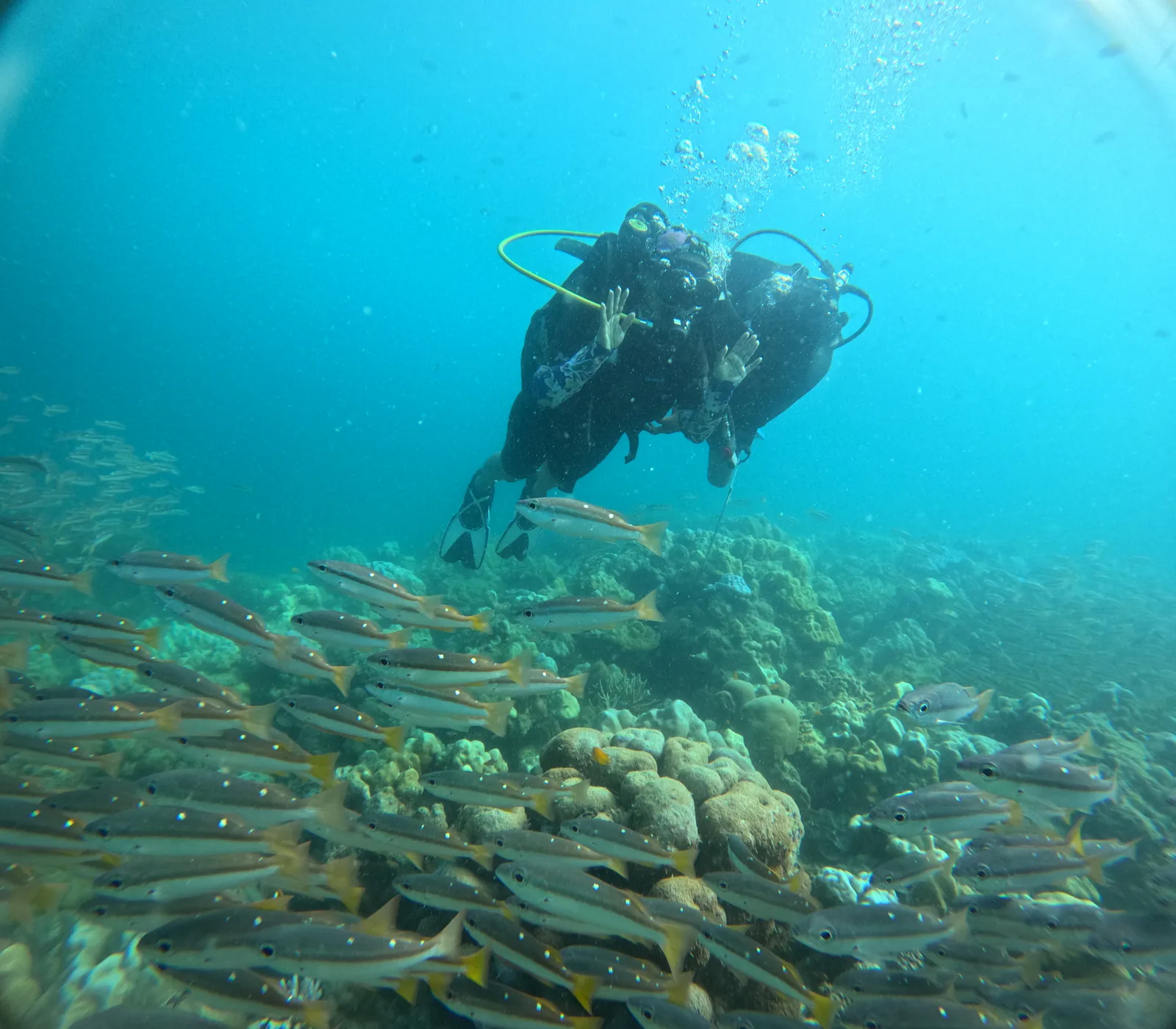
Refine trim, breathing and weighting for calmer, lower-impact diving.
 Specialty Skills
Plan a tailored combination of specialties and logged dives toward recreational mastery.
Specialty Skills
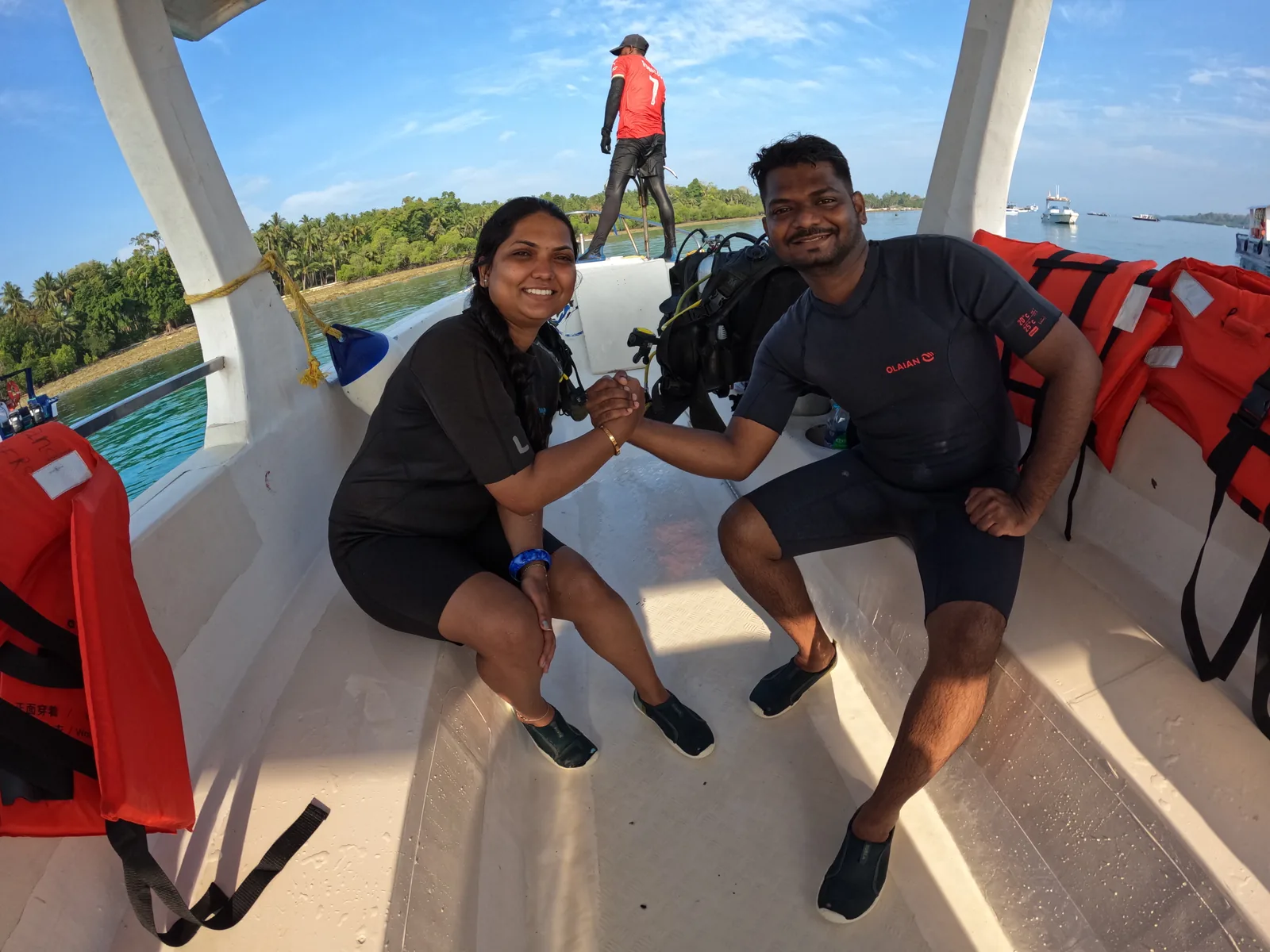
Recognise common reef-fish families and observe behaviour more thoughtfully.
 Specialty Skills
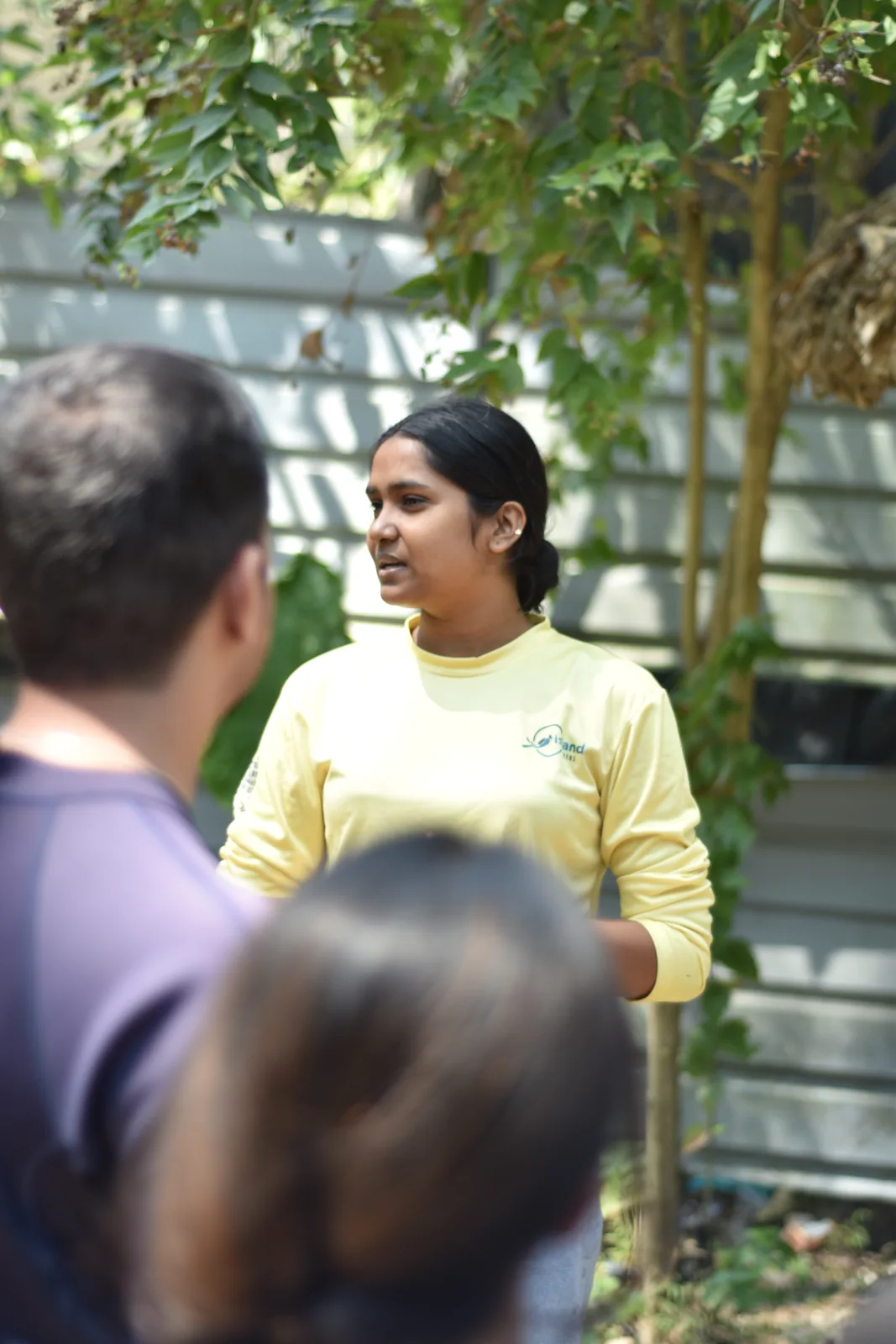
Practise entries, exits, surface procedures and boat-diving etiquette.
 Specialty Skills
Build better underwater images through buoyancy, composition and responsible approach.
Specialty Skills
Learn planning, control and buddy procedures for underwater scooters.
Specialty Skills
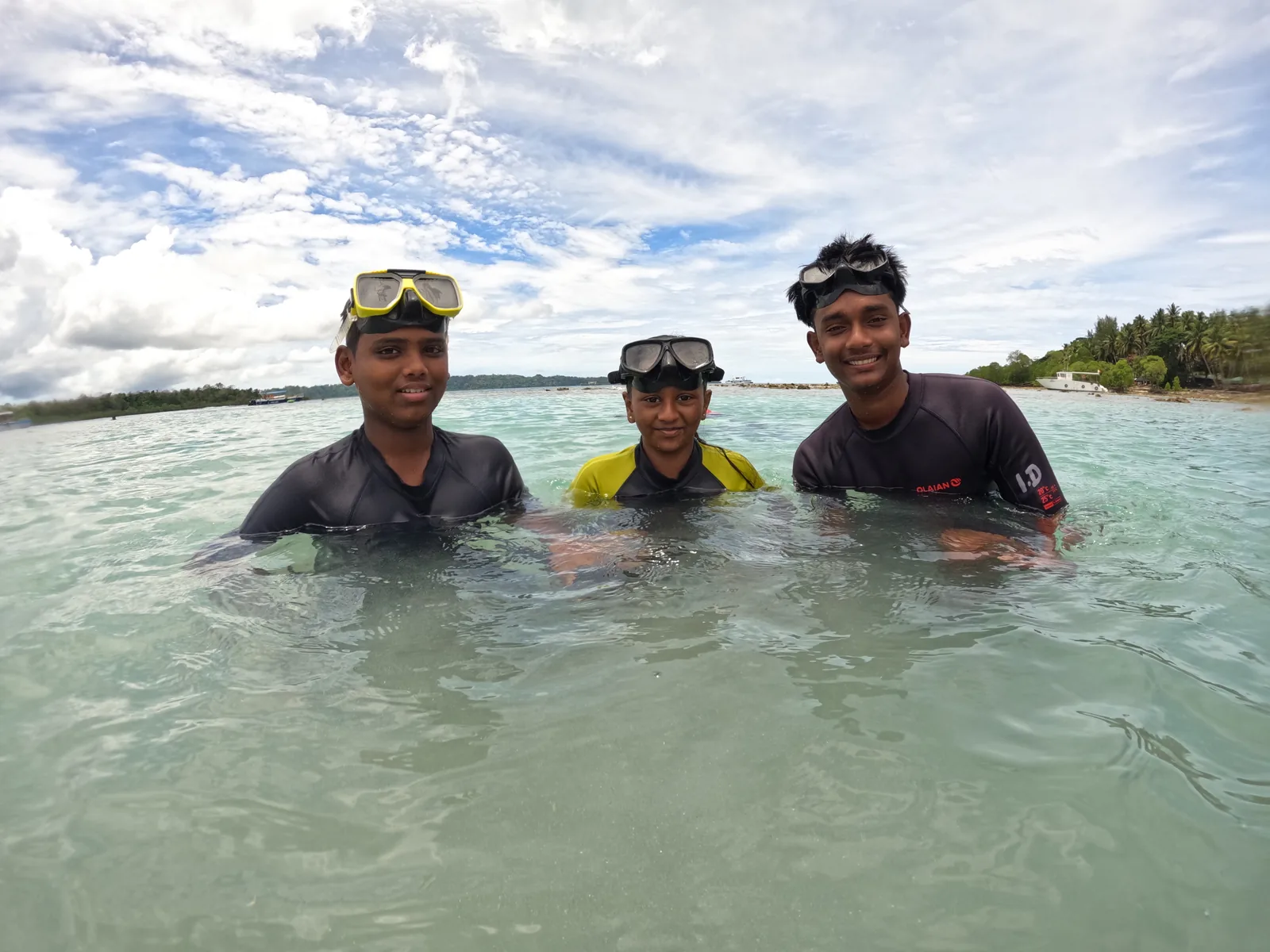
Use current awareness, positioning and surface-signalling skills for drift dives.
 Specialty Skills
Learn buoyancy and emergency procedures for dry-suit diving.
Specialty Skills
Understand how core scuba equipment works and handle basic care and troubleshooting.
Specialty Skills
Plan dives across changing depths while tracking gas and no-decompression limits.
 Specialty Skills
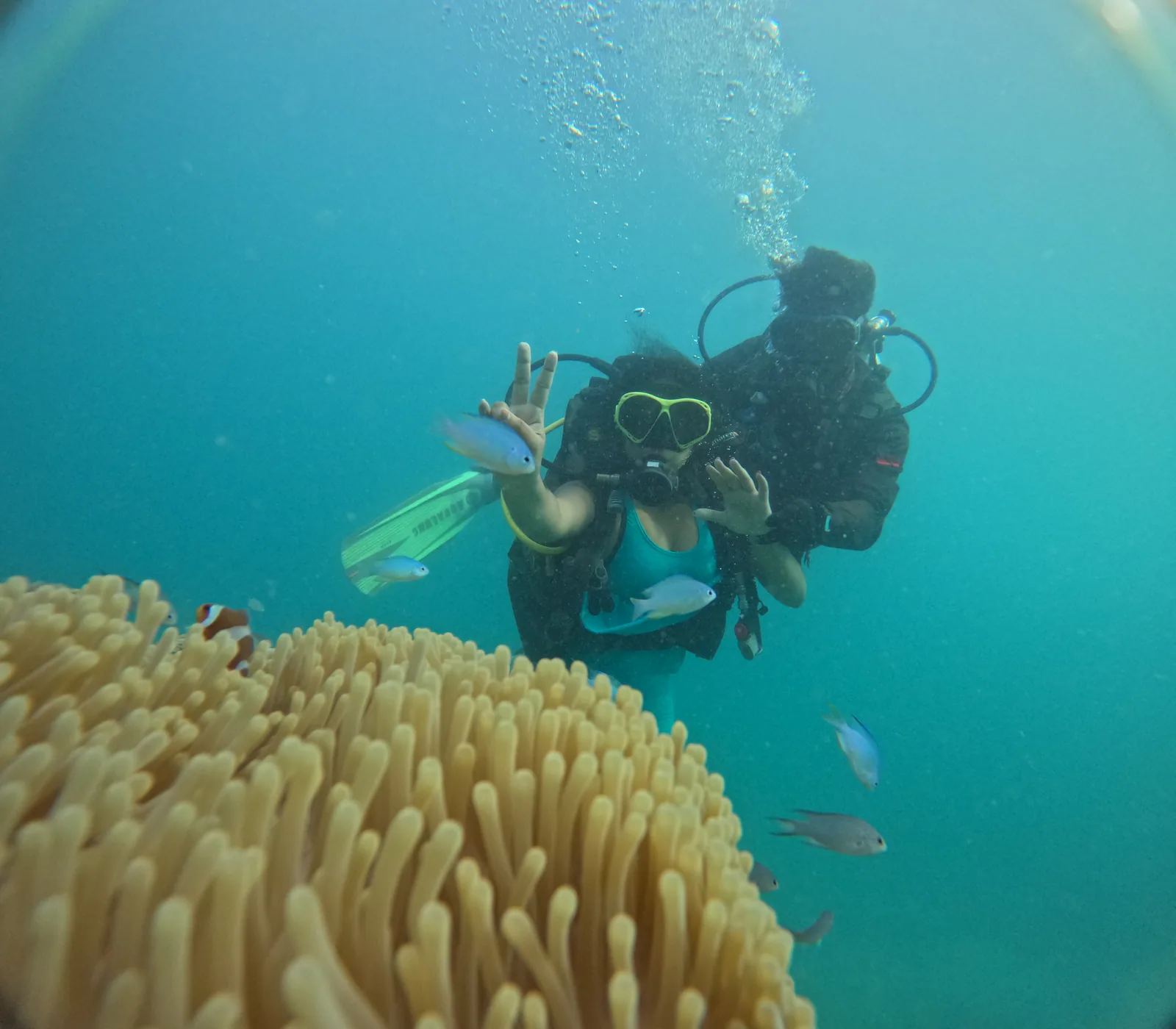
Configure side-mounted cylinders and develop streamlined equipment handling.
 Specialty Skills
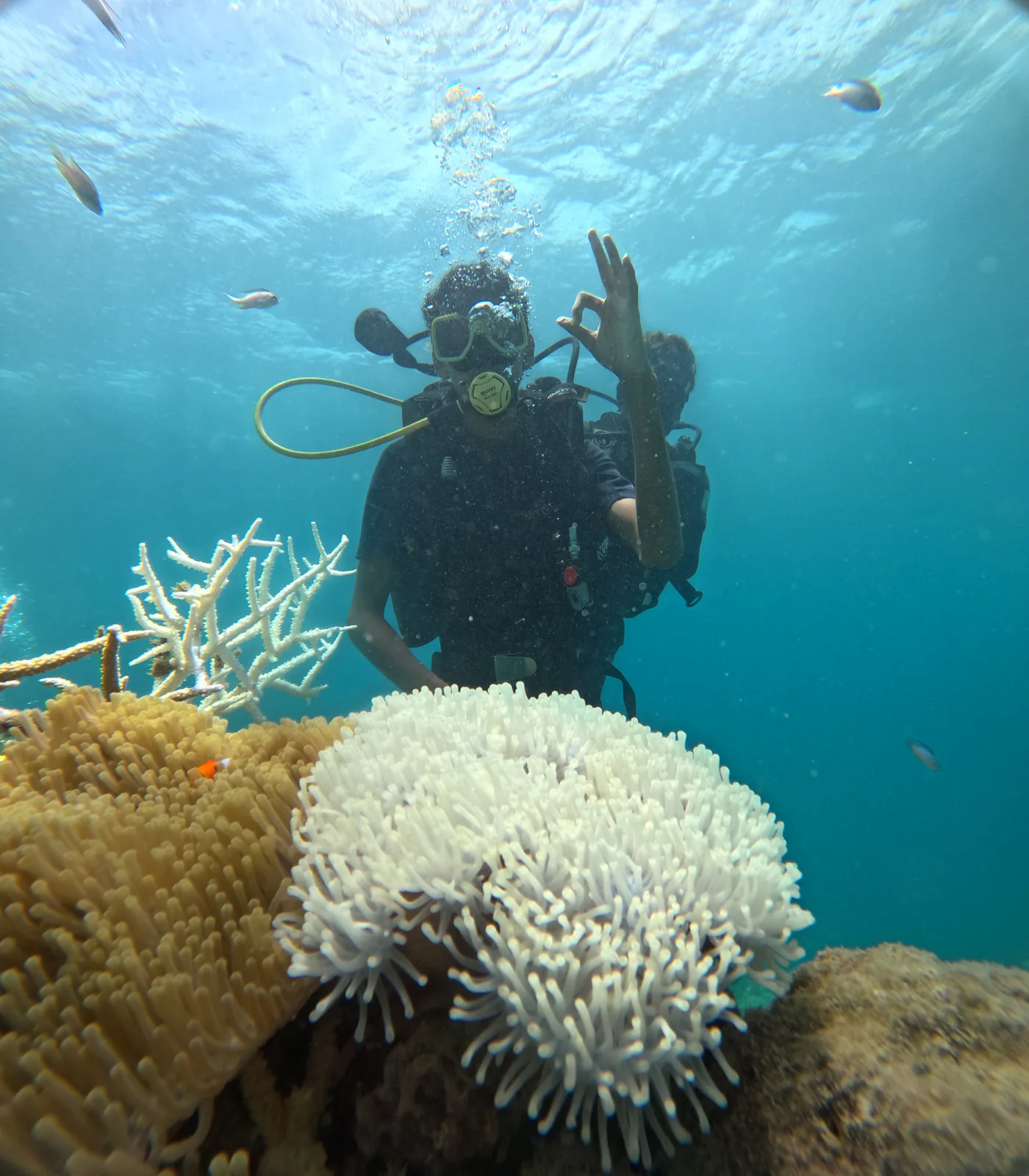
Read reef relationships and notice more of the behaviour happening around you.
Specialty Skills
Combine compass work and natural references to navigate with confidence.
 Specialty Skills
Plan stable, considerate underwater footage while protecting buoyancy and the reef.
 Specialty Skills
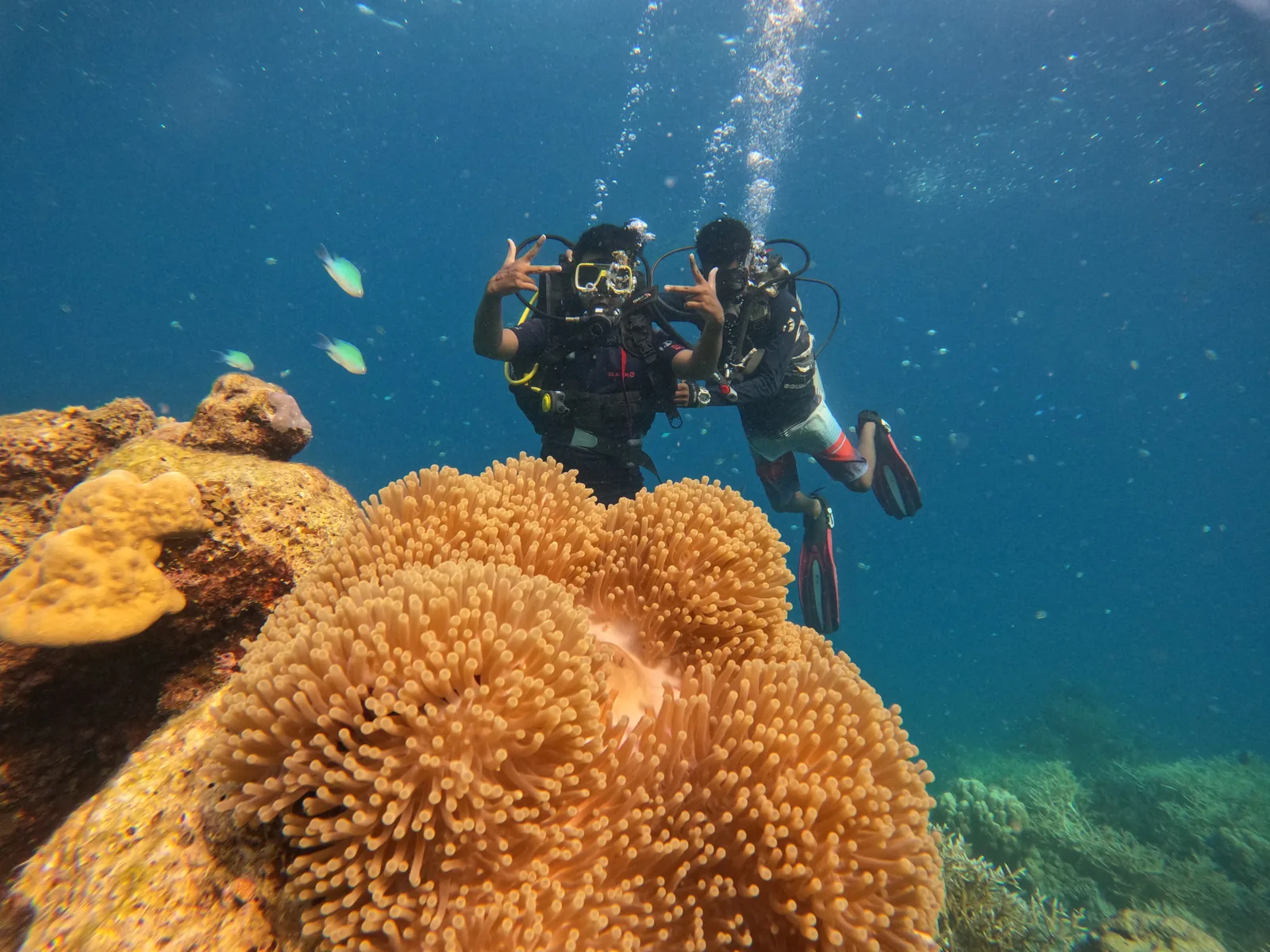
Learn the limits, line procedures and risk awareness required for daylight cavern zones.
 Specialty Skills
Use search patterns, knots and lift bags to locate and recover objects safely.
Before you choose
Use these answers as a starting point, then share your own context with the team.
Specialties depend on instructor availability, equipment, site access and conditions. Enquire with dates and current certification so the team can confirm options.
Scuba involves risk. Training, maintained equipment, professional supervision, medical screening and conservative condition-based decisions help manage that risk.
Bring swimwear, a towel, reusable water bottle, sun protection and any required medical information. The team will confirm program-specific items.
Flying after diving requires a surface interval. Ask the dive team for guidance that matches your number and type of dives, and plan flights conservatively.
Weather, sea state, current, visibility, certification, recent experience and participant readiness all shape the daily site choice.
Tell us what you hope to experience. We’ll help you choose without the jargon.
Ask the dive team